Four feeds
raw device firehose through to finished shipment events, your call



INTEGRATIONS
We set ourselves a rule: a developer should get a LocoAware feed working in ten minutes. We beat it. The sample integration is sitting on GitHub, the test messages don’t need a device, and the debugger tells you exactly what we sent and what your endpoint said back. Go on, clone it.
raw device firehose through to finished shipment events, your call
Node, Java, C#, PHP and Ruby receivers, signature checks already written
if your endpoint falls over, the queue holds the data until it’s back
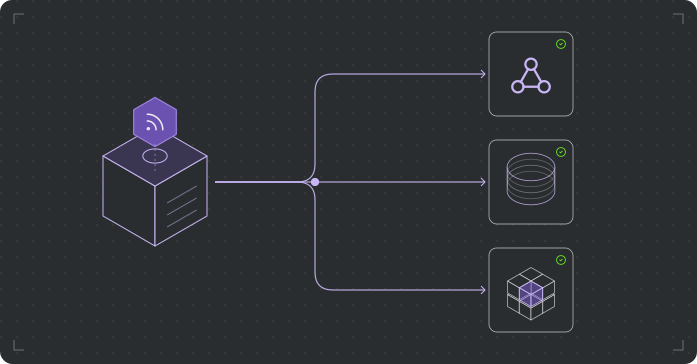
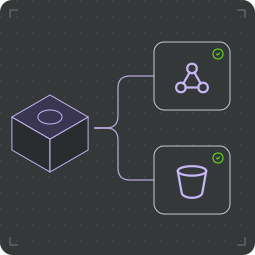
Destinations
Webhook, S3, Azure Blob. Or all of them at once, because a feed can have more than one endpoint. Production and the data warehouse both get fed and you don’t have to write a fan-out at eleven at night.
TEST
Pick an example message, hit Send, watch it land on your endpoint. Your handler can be written, tested and merged before a single tag comes out of a box.
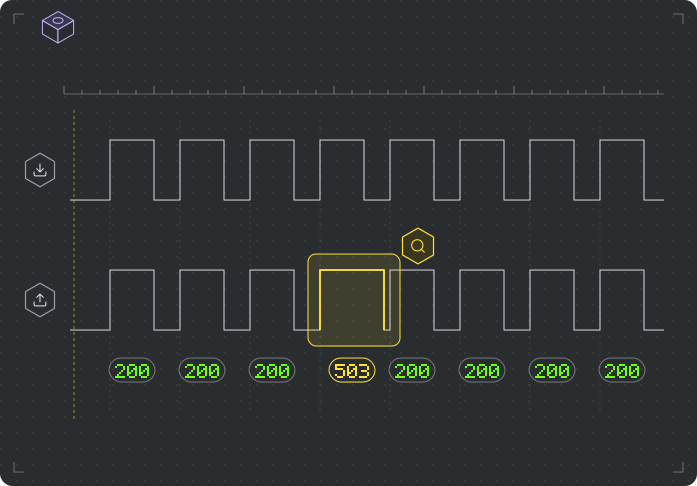
Debugger
Live view of the feed. Every message, what we received, what we sent, the headers that went with it and the status code your endpoint gave back.
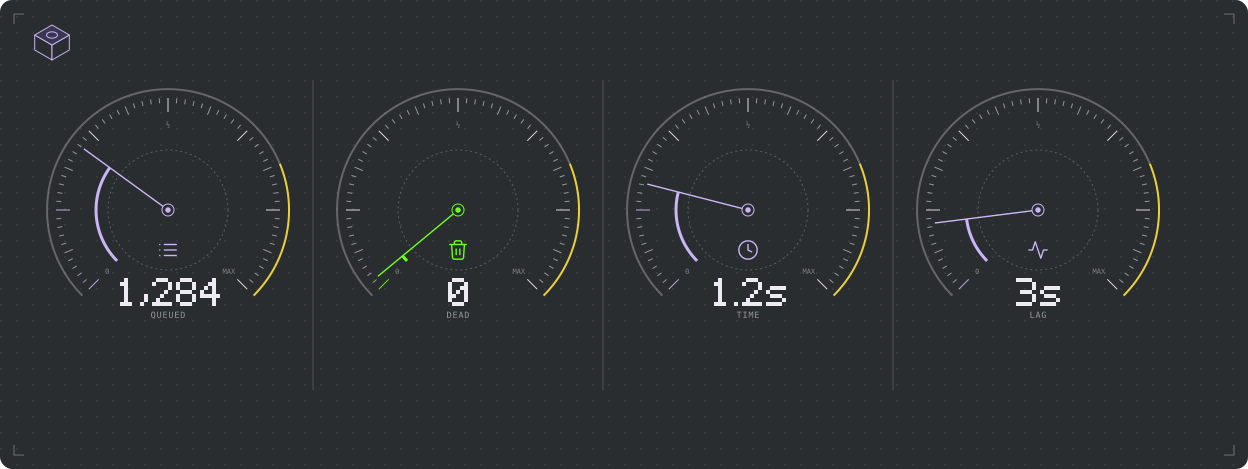
Monitoring
What’s queued, what died, how long we’re taking, how far behind realtime you are. No hidden internal dashboard, no support ticket to find out whether the feed is healthy. If your endpoint starts refusing messages the numbers say so long before your customers do.
getting started
Name it, pick the type. Twenty seconds, and most of that is deciding on the name.
Webhook, bucket, or both. Add another endpoint later when someone in analytics comes asking.
Run your handler against a real payload. Still no devices involved at this point.
Watch the debugger while the first live messages land, then go and forget about it.